
What Another Season of Waiting Costs You
Skip this for one more season and the math isn't forgiving. A garage door that fails during a wind event doesn't just mean a bent panel — it can mean a wide-open hole in the side of your house, a roof that lifts because pressure has nowhere else to go, and water or debris damage inside the garage that spreads to anything stored there. A full door replacement after a wind failure typically runs well into the low thousands depending on size and materials, while reinforcing an existing door now is a fraction of that. The expensive repair isn't the door itself — it's everything behind it.
Why the Garage Door Is Your Home's Weakest Wall
Every other wall in your house is a solid, continuous structure. Your garage door is a large panel of thin steel or aluminum, hung on rollers, held in place by tracks and a spring system that was engineered for lifting weight — not for resisting a sustained gust pushing against the entire surface at once. When wind hits a closed garage door hard enough, it can bow the panels, pop rollers out of the track, or tear the whole assembly loose from the wall. Once that happens, wind pressure gets inside the structure, and that's when roofs and interior walls start to fail too. Builders in this area didn't always install wind-rated doors or reinforcement bracing, especially on homes more than a decade or two old, so a door that looks fine sitting still may not be built to hold against a real gust.
Why This Matters Right Now, Not in Spring
It's tempting to think of storm prep as a spring job, since that's when tornado season gets the headlines around here. But the stretch between now and spring brings its own wind risk — fast-moving fronts, downed limbs, and the kind of straight-line gusts that come with early winter storm systems. On top of that, Jefferson County winters bring hard freezes, ice, and road salt that gets tracked into the garage on tires. Cold makes rubber seals and weatherstripping stiffen and crack, which means a door that was already marginal on wind resistance loses even more of its seal integrity right when you need it most. Handling storm-readiness now means your door is in better shape for both the wind events ahead this winter and the severe weather season that follows in spring.
Signs Your Door Is More Vulnerable Than You Think
- Panels that flex or show a visible bow when the door is closed and wind is blowing against it
- Rollers that have jumped the track before, even if you pushed them back in yourself
- Weatherstripping along the bottom or sides that's cracked, flattened, or pulling away
- A door that rattles noticeably in its frame during normal wind, not just severe gusts
- No visible horizontal reinforcement struts on the back of the panels
- An opener with no battery backup, meaning the door is stuck wherever it was when the power cut out
Concrete Steps That Actually Add Wind Resistance
- Add or upgrade reinforcement struts — horizontal bracing bolted to the back of each panel significantly increases resistance to bowing under wind pressure. This is one of the most cost-effective upgrades available for an existing door.
- Check and tighten the track and hardware — loose bolts, worn rollers, and misaligned tracks are the first points of failure when a door is under pressure. Tightening and replacing worn hardware before winter is far cheaper than an emergency repair after a failure.
- Replace weatherstripping before it fails in the cold — fresh seals around the bottom and sides keep wind-driven rain and cold air out, and they're far less likely to crack when temperatures drop.
- Test the auto-reverse safety feature — this isn't just a safety check, it confirms the door's sensors and opener are working correctly before you're relying on them during a storm.
- Consider a battery backup for the opener — losing power during a storm shouldn't mean losing the ability to close your door if a second wave of wind is coming.
- Know your door's age and rating — if it's original to an older home and has no reinforcement, a wind-rated replacement door is worth pricing out rather than continuing to patch an undersized system. National pricing for a wind-rated residential door generally falls in the low-to-mid thousands installed, depending on size and material.
When to Call Hillsboro Garage Door
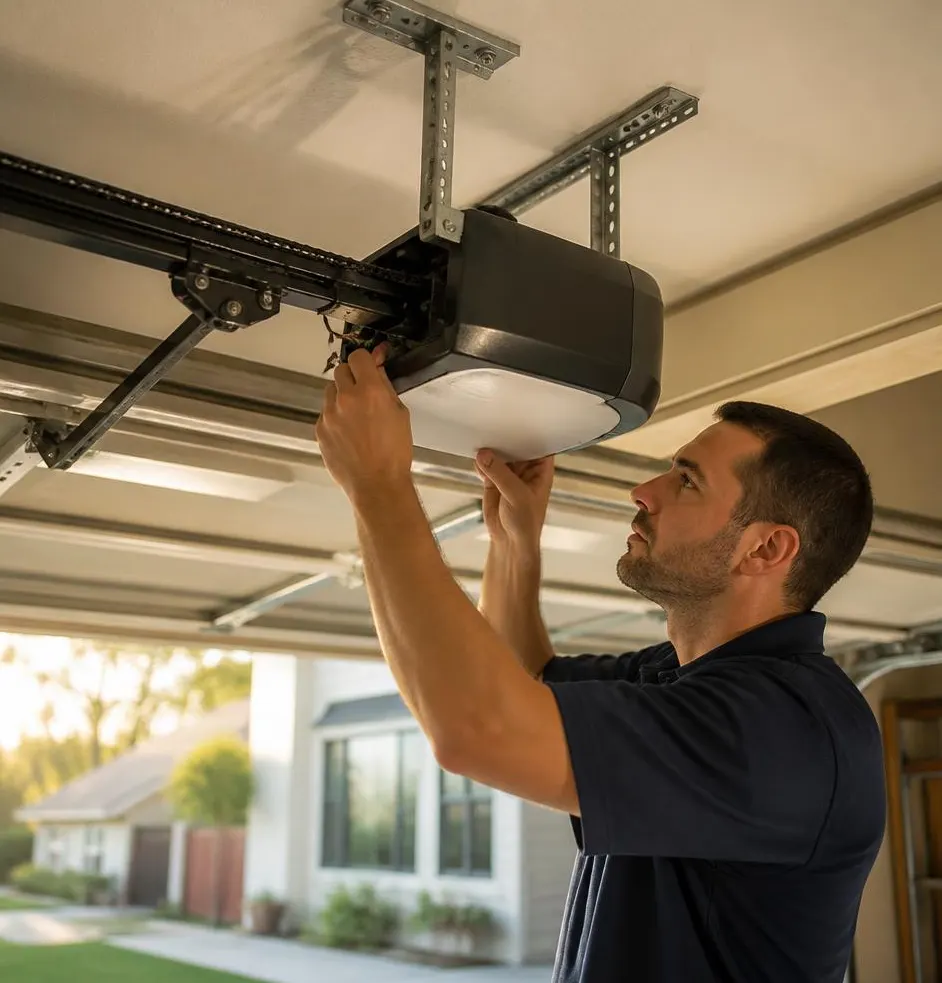
If you've noticed any of the warning signs above, or you simply don't know how your door would hold up under real wind pressure, that's the point to get it checked before a storm makes the decision for you. Our Garage Door Maintenance visits cover exactly this — tightening hardware, inspecting rollers and tracks, checking weatherstripping, and testing the opener's safety reverse and backup power, so you know where your door actually stands instead of guessing. If the inspection turns up a panel that's bowed, a track that's bent, or a door that's simply too old to reinforce properly, our Garage Door Installation service can get you into a door built with proper wind resistance from the start, sized and installed correctly for your opening rather than a generic fit. Either way, you walk away knowing your garage door is a wall you can count on, not the first thing to give out when the wind picks up.
If you're in Hillsboro, Festus, De Soto, Arnold, Barnhart, Imperial, House Springs, Cedar Hill, or anywhere else in Jefferson County, give Hillsboro Garage Door a call before the next wind event finds the weak spot in your door for you. We'll take a look, tell you straight what needs attention, and get it handled.